Calgary winter is hard on houses.
The biggest problems are rarely dramatic at first. They usually begin as something small:
- A furnace filter that has not been changed
- A hose left attached to an exterior tap
- A blocked exterior vent
- Warm attic air melting snow along the roof
- Ice building up where water should be draining
- A slippery walkway that gets worse after each freeze-thaw cycle
The best winter maintenance is preventative.
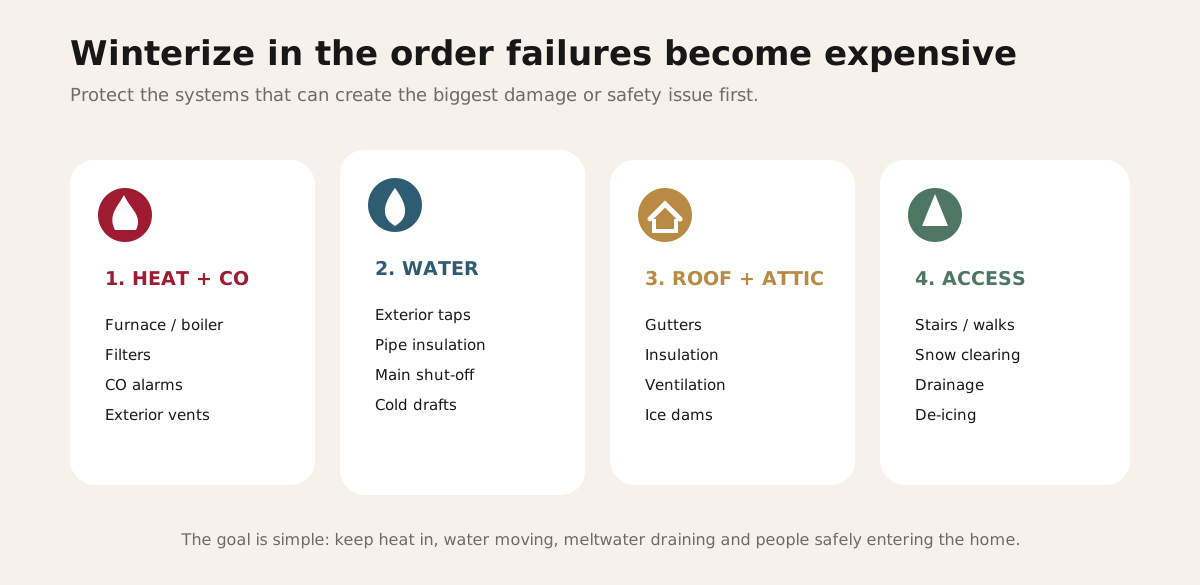
You do not need to rebuild the house for cold weather. You need to protect the systems that become expensive when they fail: heat, water, roof, ventilation and access.
Start With the Heating System
A Calgary home depends heavily on its heating system through winter.
Before the coldest stretches arrive, make sure the system is operating properly rather than waiting for a no-heat call in January.
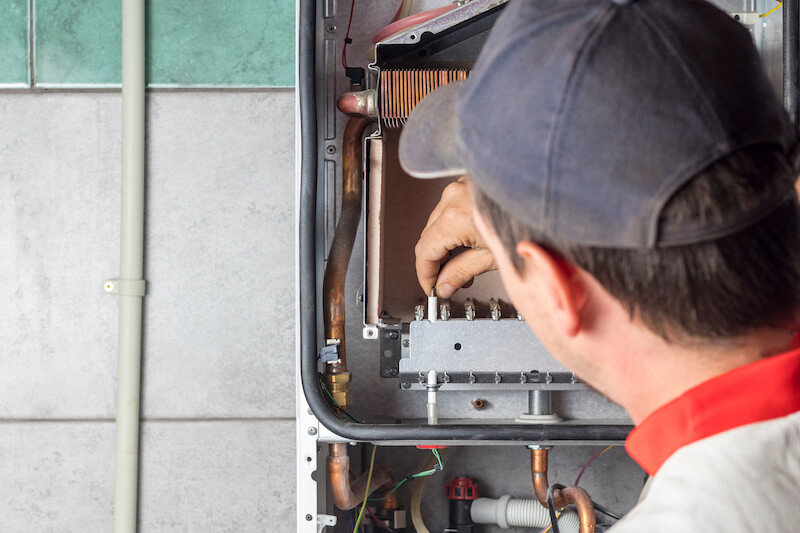
A basic heating-system check should include:
- Replacing or inspecting the furnace filter
- Making sure supply and return vents are not blocked
- Keeping clear space around the furnace and hot-water equipment
- Checking exterior furnace and water-heater terminations for snow, ice or debris
- Confirming the thermostat is operating properly
- Reviewing whether the furnace humidifier needs cleaning or a new media pad
The City of Calgary recommends checking furnace-filter condition regularly and generally changing it with the seasons, depending on the home and filter type.
If the furnace has been noisy, cycling strangely, producing unusual smells, or struggling to maintain temperature, have it looked at by a qualified technician.
Winter is not the time to discover a small heating problem has become a full failure.
Test Smoke and Carbon Monoxide Alarms
Heating season is also the time to confirm your smoke and carbon monoxide protection is working.
Test alarms according to the manufacturer’s instructions.
Check:
- Battery condition
- Expiry / replacement date
- Whether alarms are installed in the appropriate locations
- Whether combined smoke/CO alarms are functioning properly
Carbon monoxide is especially important around fuel-burning appliances.
If your home uses a furnace, fireplace, boiler, gas water heater or other combustion equipment, proper ventilation and working alarms matter.
Protect Water Lines From Freezing
Frozen pipes can create some of the most expensive winter damage in a home.
The City of Calgary recommends maintaining indoor heat, limiting cold drafts around plumbing, insulating vulnerable pipes, draining exterior water lines and taking extra precautions when you are away.
A good fall / winter checklist includes:
- Disconnect garden hoses
- Shut off and drain exterior hose bibs where the plumbing is designed for it
- Drain seasonal irrigation or outdoor water lines
- Seal major drafts in utility rooms, crawl spaces and garages
- Insulate exposed pipes in colder parts of the home
- Keep warm air circulating around plumbing on exterior walls
If you are away during winter, the City recommends keeping the thermostat at at least 15°C.
Your home-insurance policy may also require someone to check the property at a specific interval while it is vacant. Review your own policy rather than assuming the requirement.
Know Where the Main Water Shut-Off Is
Every homeowner should know this before an emergency.
If a frozen pipe bursts, the first priority is stopping the water.
Find the main shut-off valve now.
Make sure:
- It is accessible
- Everyone in the household knows where it is
- It can be operated
- Storage is not blocking it
A labelled shut-off valve can save valuable time during a leak.
Check Exterior Vents
High-efficiency furnaces and water heaters often vent through the side of the house.
Snow and ice can accumulate around these terminations.
The City of Calgary notes that furnace exhaust can create condensate and ice buildup in winter, and blocked exterior terminations can interfere with appliance operation.
After a heavy snowfall or deep freeze, visually check:
- Furnace intake / exhaust
- Water-heater vents
- Dryer vent
- Other exterior exhaust hoods
Do not modify the termination or insert makeshift screens unless the appliance manufacturer specifically allows it.
Clean the Chimney and Fireplace System
If you use a wood-burning fireplace, the chimney should be part of your winter maintenance plan.
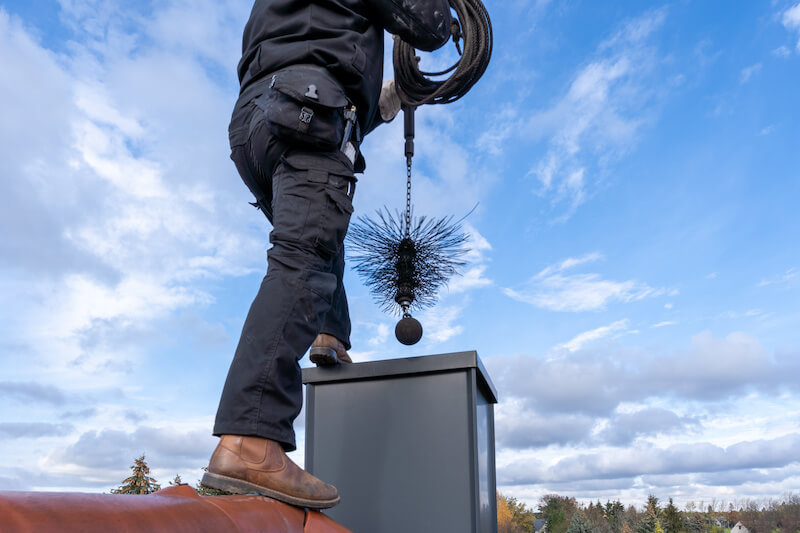
Before regular winter use:
- Have the chimney inspected and cleaned as appropriate
- Check the flue and damper
- Look for visible deterioration
- Keep combustible materials away from the fireplace
- Confirm the chimney cap / spark arrestor is in good condition
- Make sure smoke and CO alarms are working
The City of Calgary specifically recommends keeping wood-burning chimneys clean and using a spark arrestor.
A fireplace should feel like an amenity, not a maintenance unknown.
Clear Gutters Before Freeze-Up
Leaves, needles and debris can prevent meltwater from moving properly.
Before the roof becomes covered for winter:
- Clear gutters
- Confirm downspouts are open
- Check that downspouts discharge away from the foundation
- Look for loose or damaged sections
- Remove heavy debris from roof valleys where safely accessible
Good drainage matters in winter because Calgary regularly cycles through cold weather and warmer Chinook conditions.
Snow can melt, move, freeze and melt again.
Understand Ice Dams
Ice dams form when snow melts on the warmer part of a roof and then refreezes near the colder eaves.
The resulting ridge of ice can stop additional meltwater from draining.
That water can back up under roofing materials and contribute to leaks.
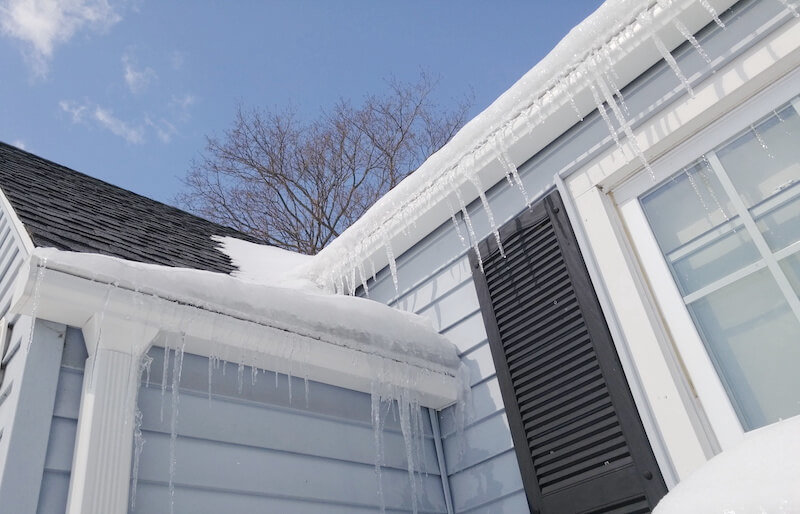
Large icicles are not automatically proof that water is entering the house, but they can be a sign that the roof and attic deserve attention.
Potential contributors include:
- Warm air leaking into the attic
- Inadequate attic insulation
- Poor attic ventilation
- Blocked gutters
- Freeze-thaw cycles
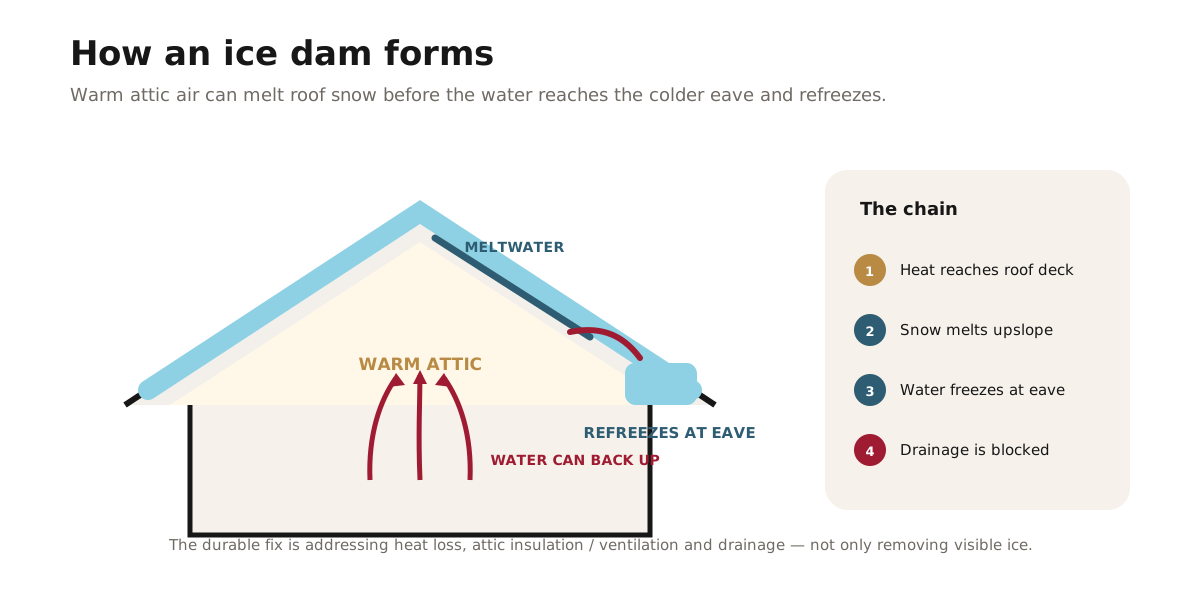
The long-term fix is not simply knocking ice off the roof.
The goal is to reduce the conditions that allow repeated melting and refreezing.
If you see interior water staining, significant ice buildup, sagging, new cracks or other signs of roof stress, have the condition evaluated properly.
Inspect Doors, Windows and Weather Seals
Air leakage makes the home less comfortable and can create cold zones around plumbing.
Walk the exterior and interior perimeter of the home.
Look for:
- Damaged weatherstripping
- Gaps around exterior doors
- Cracked caulking
- Windows that do not close properly
- Drafts around penetrations
Small air-sealing improvements can help comfort and reduce cold-air exposure around vulnerable areas.
Do Not Ignore the Attic
Attics are easy to forget because most homeowners rarely enter them.
But the attic plays a major role in winter performance.
Look for:
- Gaps in insulation
- Signs of roof leakage
- Frost or unusual moisture
- Warm-air penetrations
- Blocked ventilation
- Water staining
A healthy attic should keep indoor heat where it belongs while allowing the roof structure to remain properly ventilated.
Keep Walkways and Steps Safe
Snow removal is only half the job.
Repeated melting and refreezing can turn stairs and walkways into sheets of ice.
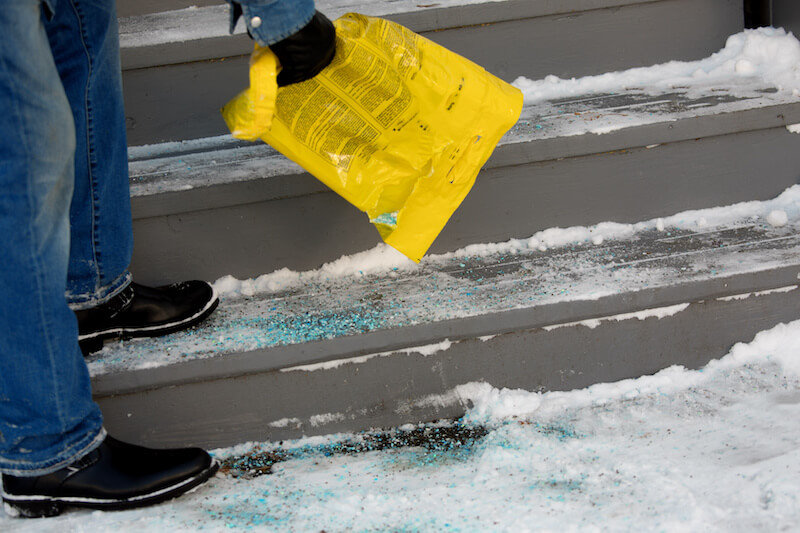
A winter access plan can include:
- Shovelling promptly
- Removing packed snow before it becomes polished ice
- Using traction material where appropriate
- Applying a de-icer compatible with the surface and according to product directions
- Repairing poor drainage that repeatedly sends water across walkways
Be careful with de-icing products around concrete, pets, vegetation and building finishes.
More product is not automatically better.
Check Exterior Drainage Around the House
Winter drainage problems often reveal themselves during warm spells.
Walk around the house during a Chinook or melt.
Look for:
- Water pooling near the foundation
- Downspouts discharging too close to the house
- Ice forming against exterior walls
- Low areas directing meltwater toward the home
- Blocked drainage paths
The objective is simple:
Meltwater should move away from the house, not toward it.
Prepare for Snow Loads and Roof Changes
Most normal snowfall is handled by homes designed for Calgary conditions.
What deserves attention is a noticeable change.
Watch for:
- Unusual roof sagging
- New drywall cracks
- Doors suddenly becoming difficult to open
- Interior water leaks
- Heavy drift accumulation in unusual areas
The City of Calgary recommends monitoring roofs in winter for ice damming, heavy snow loads and related warning signs.
Do not climb onto an icy roof to investigate.
Use a qualified professional when the condition cannot be safely evaluated from the ground or attic.
Winterize Outdoor Equipment
Before extended freezing weather:
- Drain and store garden hoses
- Shut down irrigation as required
- Disconnect and drain rain barrels
- Store delicate outdoor furniture and equipment
- Remove water from seasonal features
- Secure loose items that can move in wind
Water expands when it freezes.
Anything holding trapped water is worth checking before the deep cold arrives.
If You Are Leaving Calgary During Winter
A winter vacation adds another layer of risk because small problems can go unnoticed.
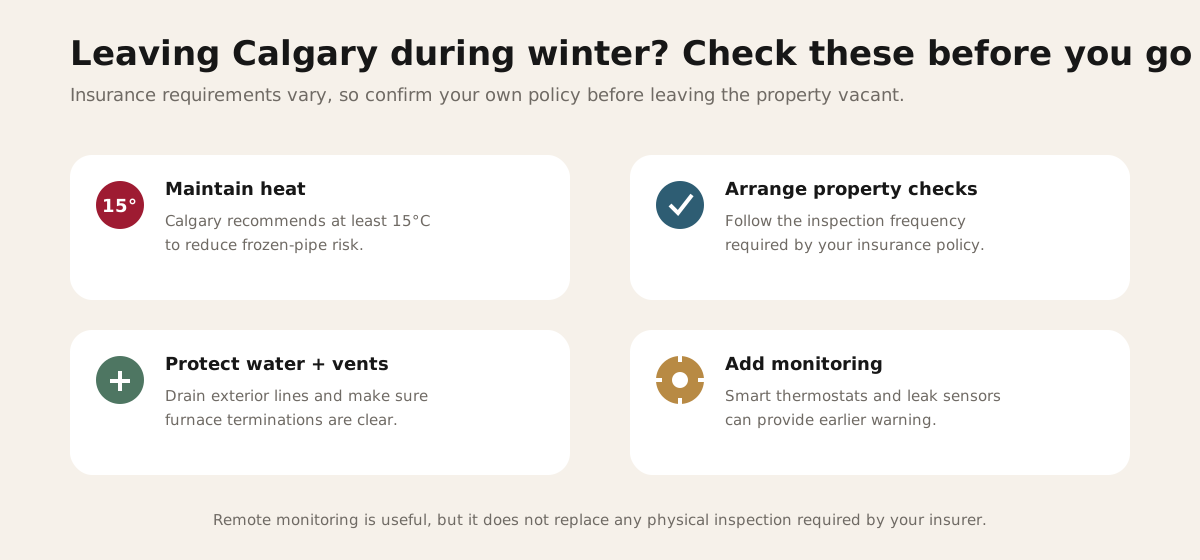
Before leaving:
Maintain heat
Keep the home heated. The City recommends at least 15°C for frozen-pipe prevention.
Check insurance requirements
Your insurer may require periodic inspections when the home is vacant.
Shut down outdoor water
Disconnect hoses and drain exterior lines where appropriate.
Make sure vents are clear
Check furnace and other exterior terminations before leaving.
Arrange a property check
Have a trusted person inspect for:
- Heat
- Water leaks
- Frozen plumbing
- Snow / ice problems
- Alarm issues
- Exterior damage
Consider monitoring
A smart thermostat, water-leak sensor or monitored alarm can add useful warning when you are away.
Technology does not replace required physical property checks, but it can provide earlier notice of a problem.
A Simple Calgary Winter Maintenance Schedule
Before consistent freezing
- Furnace / heating check
- Exterior-water shutdown
- Gutter cleaning
- Weatherstripping
- Chimney service if applicable
- Outdoor equipment winterization
After major snowfalls
- Clear vents
- Clear walkways
- Check roof edges
- Check exterior drainage paths
During Chinooks
- Look for meltwater problems
- Check for refreezing on stairs and sidewalks
- Watch for ice-dam activity
Monthly through winter
- Test alarms
- Check furnace filter
- Walk the exterior
- Look for signs of moisture or unusual ice
Frequently Asked Questions
What temperature should I leave my Calgary home at in winter?
The City of Calgary recommends maintaining at least 15°C to help reduce frozen-pipe risk when away. Your insurance policy may have additional requirements.
Should I leave my garden hose connected in winter?
No. Calgary recommends removing hoses and draining exterior taps / lines as appropriate to reduce freezing risk.
Are icicles a sign of an ice dam?
Large icicles can be a warning that roof-edge freezing is occurring, but they do not by themselves prove there is interior damage. Repeated or significant buildup is worth investigating.
How often should I change my furnace filter?
It depends on the filter, household and system. The City of Calgary recommends checking it regularly and generally changing it seasonally as a rule of thumb.
Should I clean my chimney every year?
Cleaning frequency depends on the appliance and use, but wood-burning systems should be inspected and kept clean. Follow manufacturer, insurer and professional recommendations for your specific fireplace or stove.
The Bottom Line
Winterizing a Calgary home is mainly about preventing expensive failures before they happen.
Prioritize:
Heat.
Water.
Roof and attic.
Ventilation.
Safe access.
The highest-value maintenance jobs are often simple:
Change the filter.
Drain the exterior tap.
Clear the vent.
Clean the gutter.
Watch the roof edge.
Know where the water shut-off is.
Those small checks are much easier than dealing with a frozen pipe, no-heat call or roof leak in the middle of a Calgary cold snap.
Sources & Methodology
Calgary-specific maintenance guidance was cross-checked against City of Calgary home-maintenance, frozen-pipe and climate-ready homeowner resources, along with Alberta carbon-monoxide safety guidance.
This article is for general homeowner education. Heating, electrical, gas, roof, chimney and plumbing concerns should be evaluated by qualified professionals when appropriate.