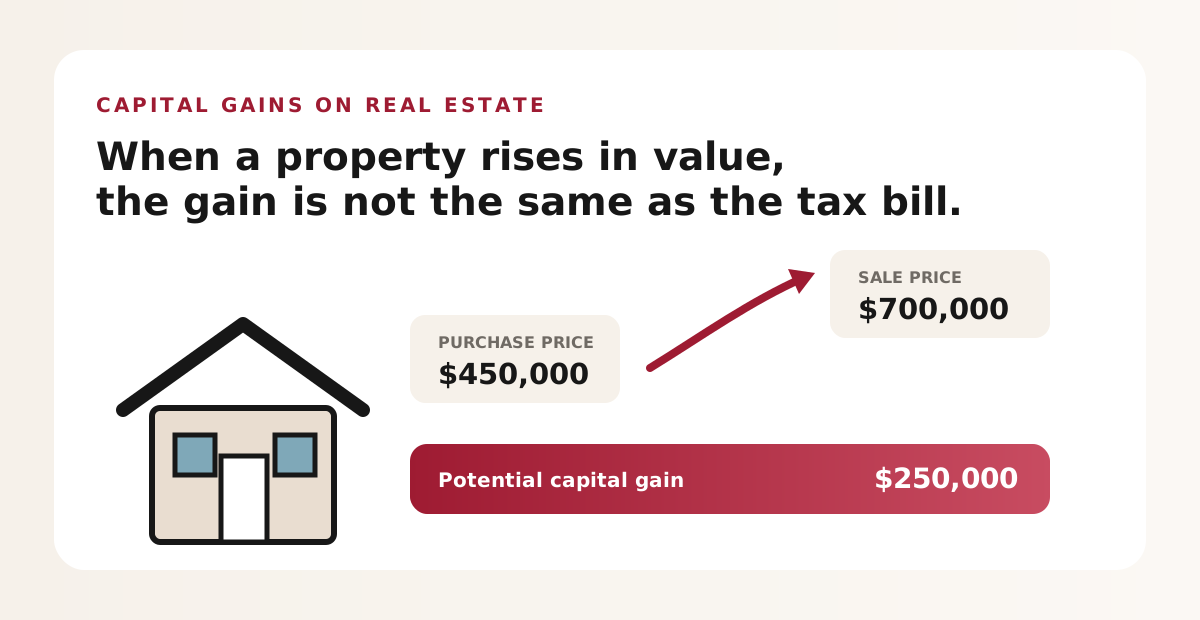
Selling a property can be one of the biggest financial decisions a homeowner makes. For many Canadians, the question is not only what their home is worth today, but also what tax implications may come with selling.
Capital gains tax can apply when certain properties increase in value, but the rules depend heavily on how the property was used, whether it qualifies as a principal residence, and the costs associated with owning and selling it.
This guide breaks down what Calgary homeowners should understand before selling.
What Is a Capital Gain?
A capital gain occurs when you sell a capital property for more than its adjusted cost base.
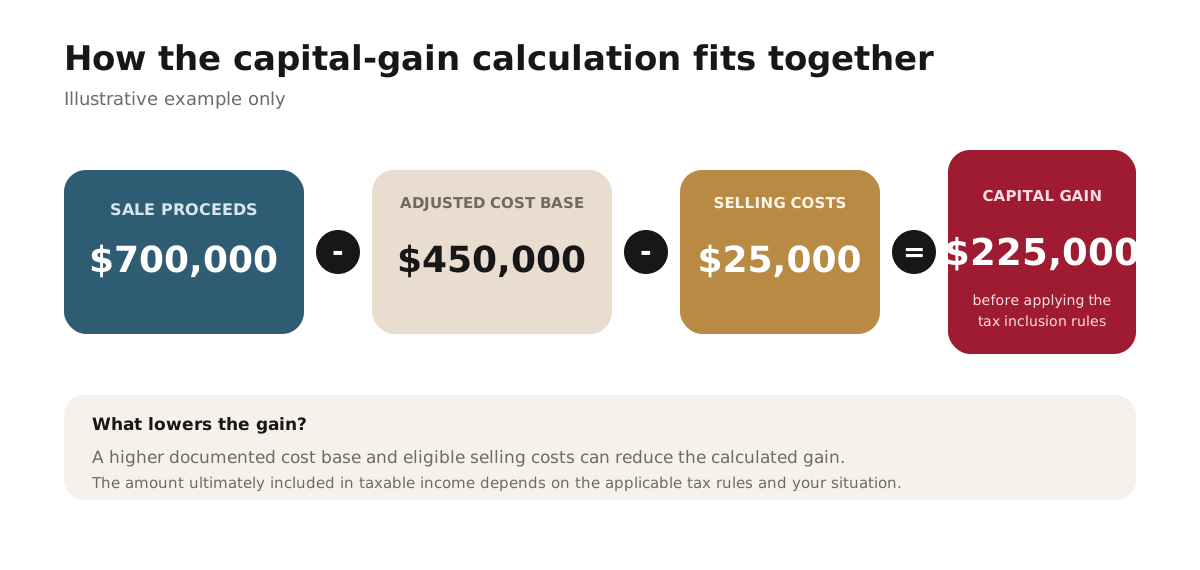
A simplified calculation is:
Sale price − adjusted cost base − selling expenses = capital gain
Real estate that may create a capital gain includes rental properties, vacation properties, investment properties, land, and properties that do not fully qualify as a principal residence.
Your personal home may be eligible for the principal residence exemption, meaning the gain may not be taxable if all requirements are met.
How Is Capital Gains Tax Calculated in Canada?
Canada does not tax the entire gain as income. Generally, only the taxable portion of a capital gain is included in your income and taxed at your applicable marginal tax rate.
For example, on a capital gain of $225,000, the portion included in your taxable income depends on the current inclusion rate.
The actual tax owed depends on your overall income, province, deductions and individual circumstances.
The Principal Residence Exemption
For many homeowners, this is the most important rule. If a property qualifies as your principal residence, the gain may be exempt from tax.
A principal residence can include a house, condominium, cottage, mobile home, or other qualifying housing units.
However, there are important rules around which property is designated as your principal residence, rental or business use, changes in use, and reporting requirements.
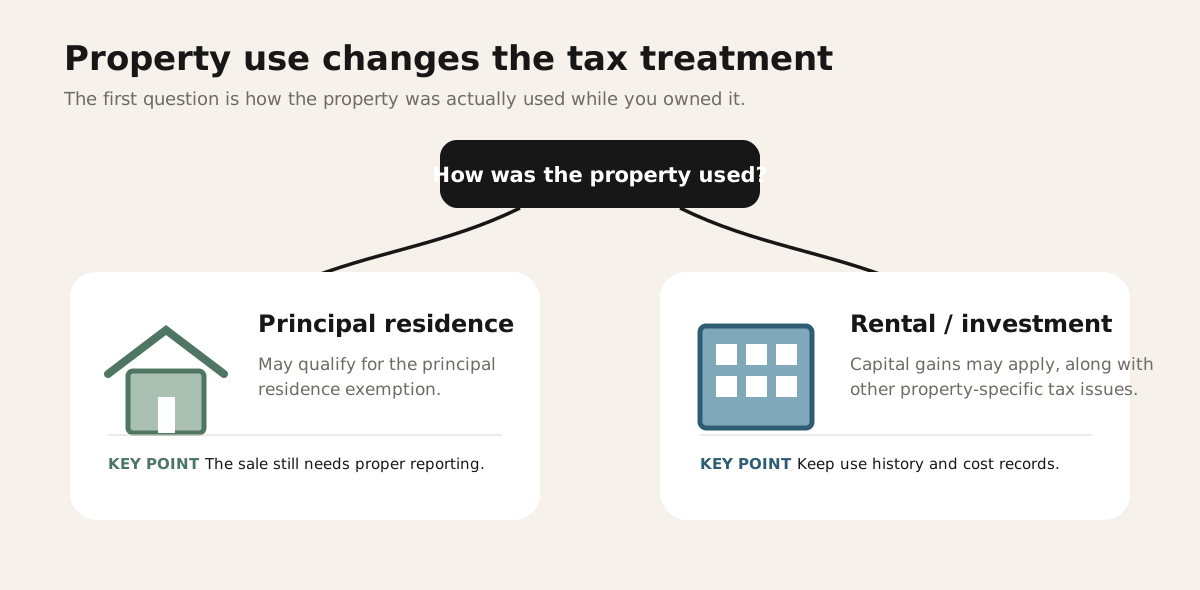
Your Home vs. Investment Property
The tax treatment can change significantly depending on how the property was used.
| Primary residence | Investment property |
|---|---|
| May qualify for exemption | Often taxable gain |
| Personal use | Income-producing use |
| Different reporting considerations | Additional tax considerations |
What Counts Toward Your Cost Base?
Your adjusted cost base is more than just your original purchase price. It may include the purchase price, certain legal and acquisition costs, eligible capital improvements, and other qualifying expenses. Selling expenses may also reduce the taxable gain.
Keep records of renovations, receipts, contracts, legal invoices and purchase documents. Good records can make a major difference years later.
Capital Gains on Rental Properties
Rental properties require additional consideration. A property that increased in value may create a taxable capital gain when sold.
Other factors may also matter, including rental income history, capital improvements, depreciation claims and ownership structure.
Before selling an investment property, it is worth understanding the expected after-tax proceeds.
Common Mistakes Homeowners Make
Assuming Every Property Sale Is Tax-Free
A principal residence exemption does not automatically apply to every property.
Losing Renovation Records
Without documentation, proving eligible improvements can become difficult.
Waiting Until After Selling to Think About Taxes
Planning before a sale gives you more options.
Planning Before You Sell
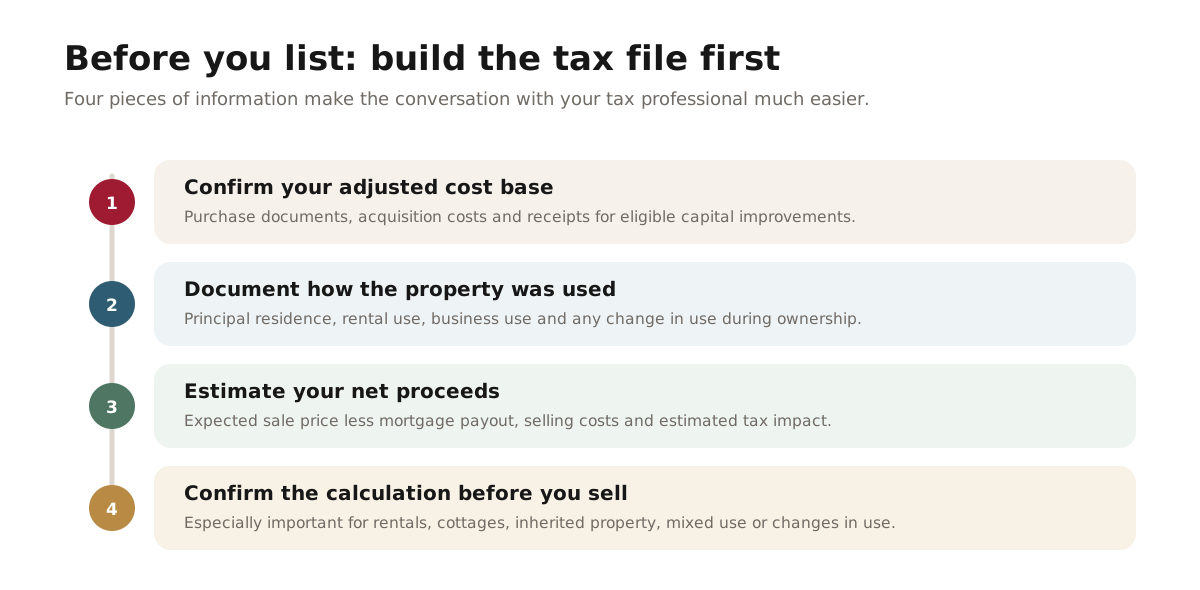
Before listing a property, consider:
1. Estimate your expected sale price
2. Calculate your approximate gain
3. Review your property's history
4. Gather important documents
5. Speak with a tax professional if needed
Real estate decisions should consider both the market value of your home and the financial consequences of selling.
The Bottom Line
Capital gains tax on real estate depends on the property, how it was used, your ownership history and your individual situation.
For many homeowners, the principal residence exemption is the key factor. For rental and investment properties, careful planning becomes even more important.
Understanding the tax side of a sale helps you make better decisions about timing, pricing and your next move.
This article provides general information only and is not tax, legal or financial advice. Consult a qualified professional regarding your specific situation.