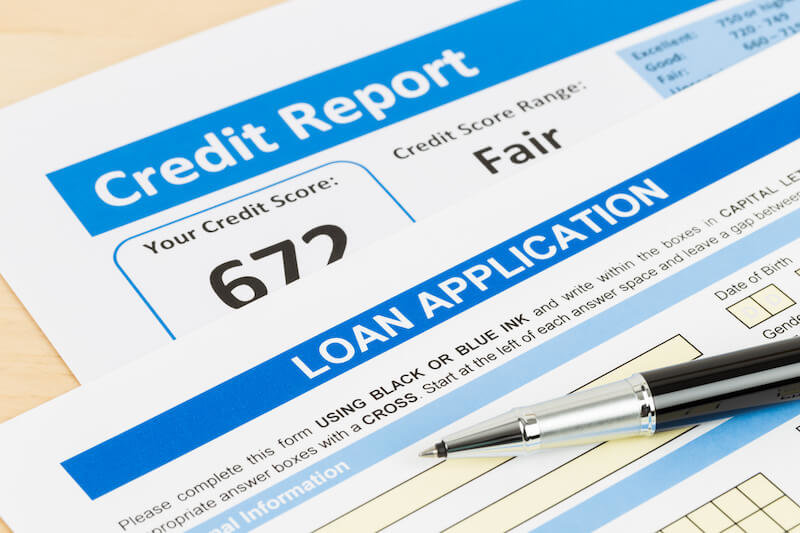
Buying a home is one of the biggest financial decisions most people make, and your credit score is one piece of the picture lenders use when reviewing your mortgage application.
A strong credit profile can help demonstrate that you manage borrowed money responsibly. A weaker profile may mean you need more preparation before applying.
But your credit score is not the only factor that determines whether you can buy a home.
Lenders also look at your income, debts, down payment, employment history and overall financial situation.
The goal is not simply to chase a number. The goal is to understand how your financial profile affects your home-buying options.
What Is a Credit Score?
A credit score is a number that represents how you have managed credit in the past.
It is calculated using information from your credit history, including things like payment history, balances and account activity.
A higher score generally indicates a stronger history of managing credit, while a lower score can signal more risk to lenders.
How Credit Affects Buying a Home
Your credit profile can influence:
- Mortgage approval options
- Available interest rates
- The types of lenders you may qualify with
- How lenders view your borrowing habits
However, there is no single credit score that guarantees approval.
Mortgage decisions are based on the entire application.
The Five Factors That Shape Your Credit Score
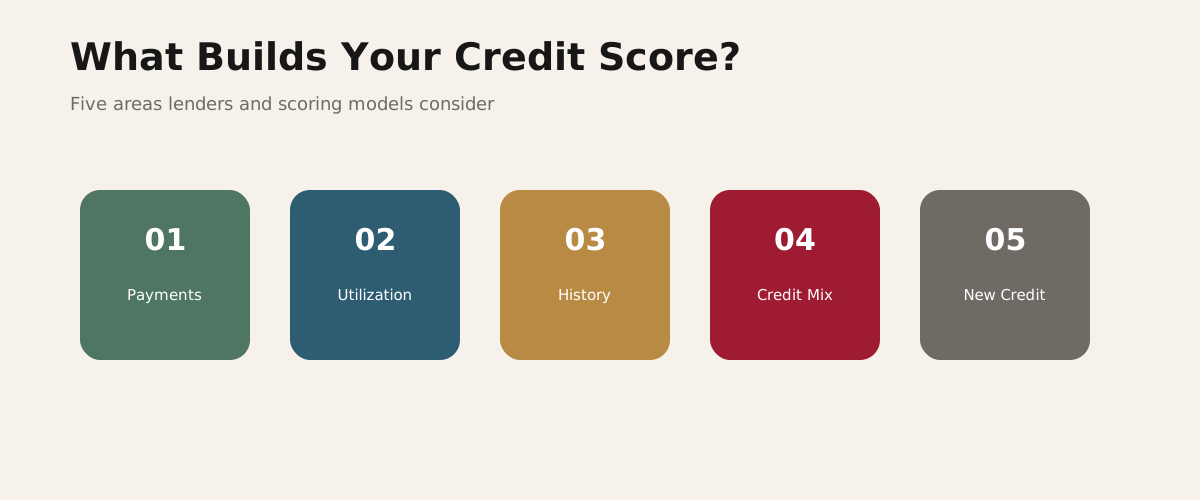
1. Payment History
Making payments on time is one of the most important habits for maintaining strong credit.
Late or missed payments can negatively affect your credit profile.
2. Credit Utilization
This refers to how much of your available credit you are using.
Keeping balances manageable compared with your limits can help demonstrate responsible borrowing.
3. Credit History Length
A longer history of responsible credit management can provide lenders with more information about your habits.
4. Credit Mix
Having experience managing different types of credit can contribute to your overall profile.
5. New Credit Applications
Applying for many new accounts in a short period can affect how your credit activity appears.
Improving Your Credit Before Buying
If you are planning to buy a home in the future, small improvements can make a difference.
Consider:
- Paying every bill on time
- Reducing high credit card balances
- Avoiding unnecessary new credit applications
- Reviewing your credit report for errors
- Keeping older accounts open when appropriate
The earlier you start preparing, the more options you may have when you are ready to buy.
Credit Score vs Mortgage Readiness
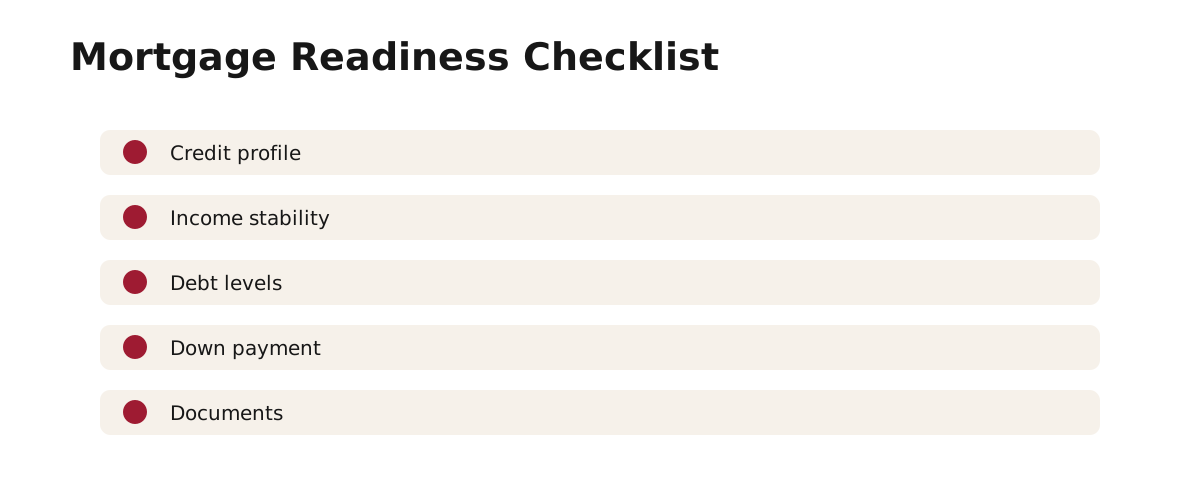
A good credit score is helpful, but buying a home requires more than just credit.
Before applying, consider:
- How much you have saved for a down payment
- Your monthly debt obligations
- Your income stability
- Your monthly budget
- Your long-term goals
A mortgage approval should fit comfortably into your financial life.
Common Credit Mistakes Before Buying
Avoid making major financial changes immediately before applying for a mortgage.
Examples include:
- Financing a new vehicle
- Taking on large new loans
- Opening multiple credit accounts
- Making large unexplained deposits
- Closing important accounts without advice
These decisions can affect how lenders view your application.
The Bottom Line
Your credit score is an important part of the home-buying process, but it is only one piece of the puzzle.
The strongest buyers understand their entire financial picture before starting the search.
If you are thinking about buying a home in Calgary, preparing early can help you understand what options are realistically available.
Sources & Methodology
Credit and mortgage requirements vary by lender and by individual circumstances; confirm current requirements with a licensed mortgage professional.