One of the biggest misconceptions among first-time buyers is that you need 20% down before you can buy a home.
While a larger down payment can reduce your monthly costs and avoid mortgage default insurance, many Canadians purchase homes with significantly less.
The more important question is not whether you can buy with "no money down." It is understanding how much you actually need, where those funds can come from, and what tradeoffs come with a smaller down payment.
How Much Down Payment Do You Need in Canada?
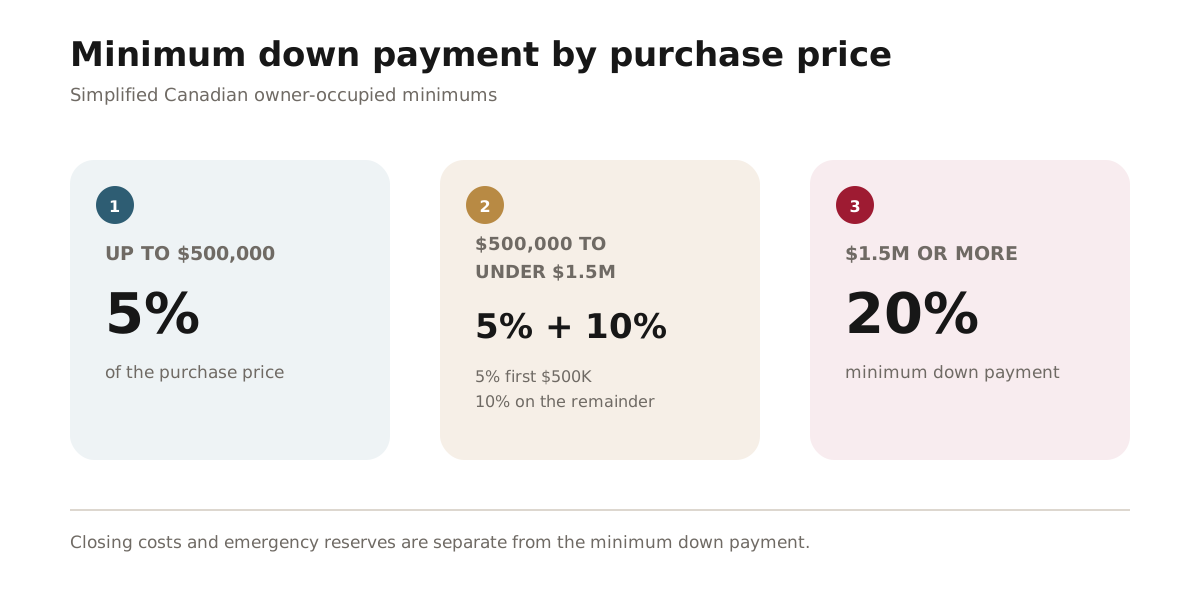
The minimum down payment depends on the purchase price. For homes:
• Up to $500,000: minimum 5% down
• Between $500,000 and $1.5 million: 5% on the first $500,000 and 10% on the remainder
• $1.5 million or more: minimum 20% down
For many Calgary buyers, the difference between entering the market today and waiting years can come down to understanding these minimum requirements.
Example: Buying a $600,000 Home
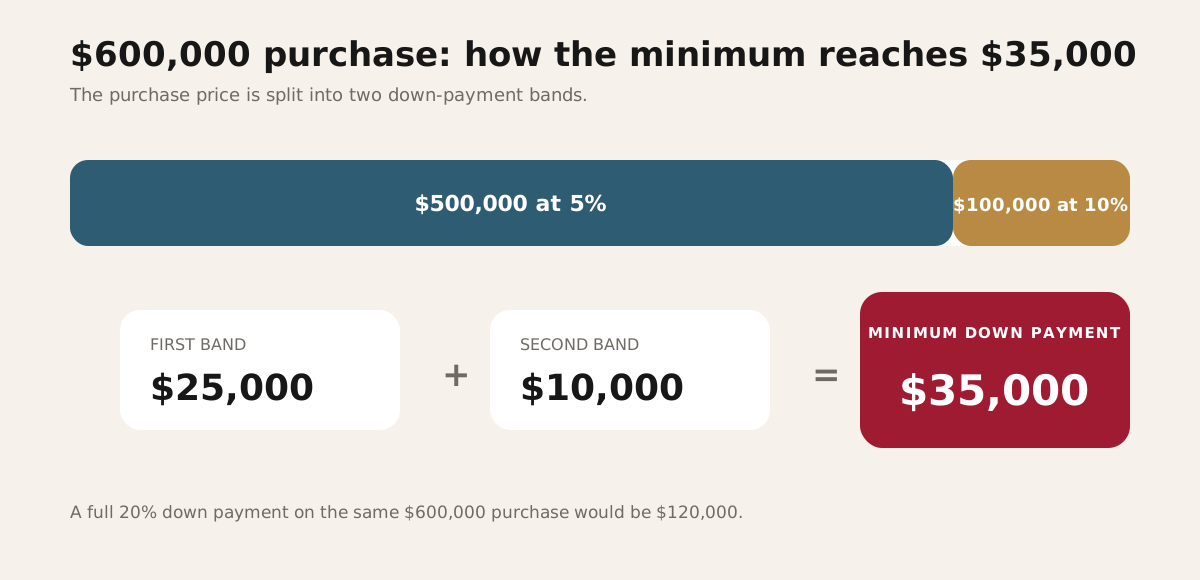
A $600,000 purchase does not require $120,000 down. The minimum down payment would be:
• 5% of the first $500,000 = $25,000
• 10% of the remaining $100,000 = $10,000
Total minimum down payment: $35,000
However, buying with a smaller down payment means accepting a larger mortgage balance and additional costs.
What Changes When You Put Less Than 20% Down?
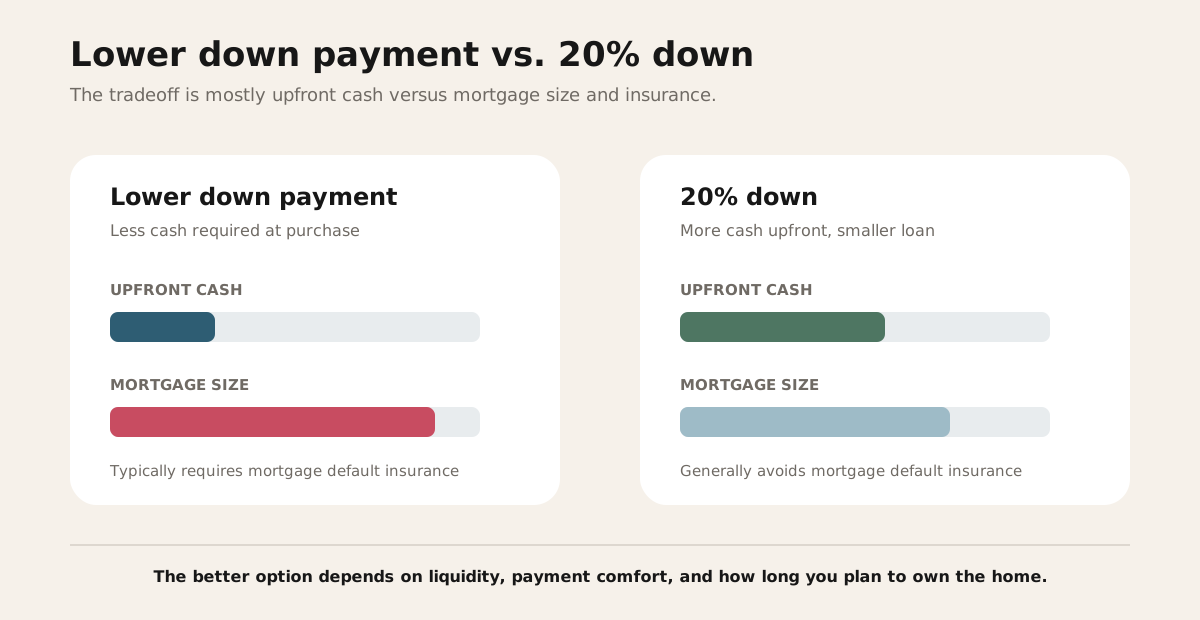
A down payment below 20% generally requires mortgage default insurance. This insurance protects the lender, not the buyer, and the premium is typically added to the mortgage.
A smaller down payment can help you buy sooner, but it also means larger mortgage payments, more interest paid over time, and less equity when you first purchase.
A larger down payment can reduce borrowing costs, but it also requires more cash upfront. The right choice depends on your financial position, not just the percentage.
Where Can Your Down Payment Come From?
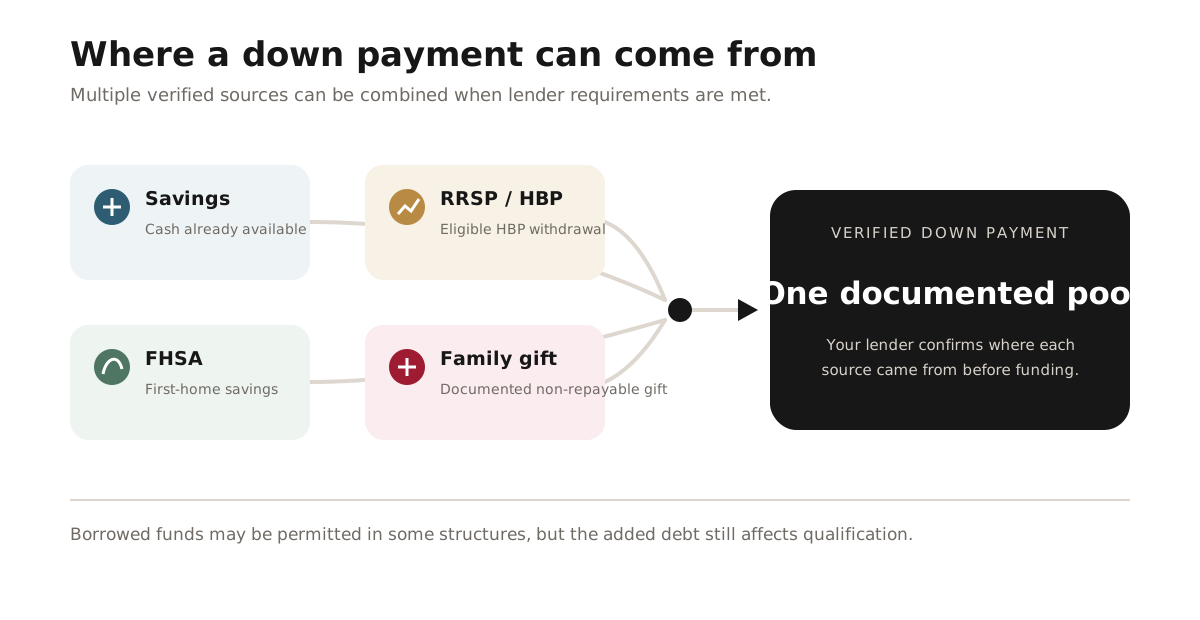
Your down payment does not always need to come from years of savings. Common sources include personal savings, a First Home Savings Account (FHSA), the RRSP Home Buyers' Plan, eligible family gifts, and proceeds from another property sale.
Lenders will verify the source of funds, so documentation is important.
Can You Borrow a Down Payment?
In some situations, buyers may use borrowed funds as part of their down payment strategy. However, this does not make the cost disappear.
Any borrowed money creates another financial obligation, and lenders will consider that debt when determining affordability.
Before using borrowed funds, buyers should understand the additional monthly payment, how it affects mortgage qualification, and whether they still have enough money for closing costs and emergencies.
Don't Forget Closing Costs
The down payment is only one part of the cash needed to buy a home. Buyers should also budget for legal fees, a home inspection, adjustments, moving expenses, initial repairs, and furniture and improvements.
Using every dollar toward the down payment can leave buyers financially stretched after possession.
Should You Put 5% or 20% Down?
There is no universal answer.
A smaller down payment may make sense if you want to enter the market sooner, you have stable income, or you want to keep cash available.
A larger down payment may make sense if you want a smaller mortgage, you want to reduce interest costs, or you have enough savings remaining afterward.
The best decision balances your purchase goals with your overall financial security.
The Bottom Line
You do not always need a massive down payment to buy a home in Canada.
Understanding the minimum requirements, available programs, and long-term costs allows you to make a more informed decision.
The goal is not simply buying a home. It is buying a home in a way that fits your financial situation.
This article provides general information only and is not mortgage, financial, tax, or legal advice.