Moving becomes stressful when every task feels urgent at the same time.
The solution is not to make one enormous checklist.
It is to give each task a time window.
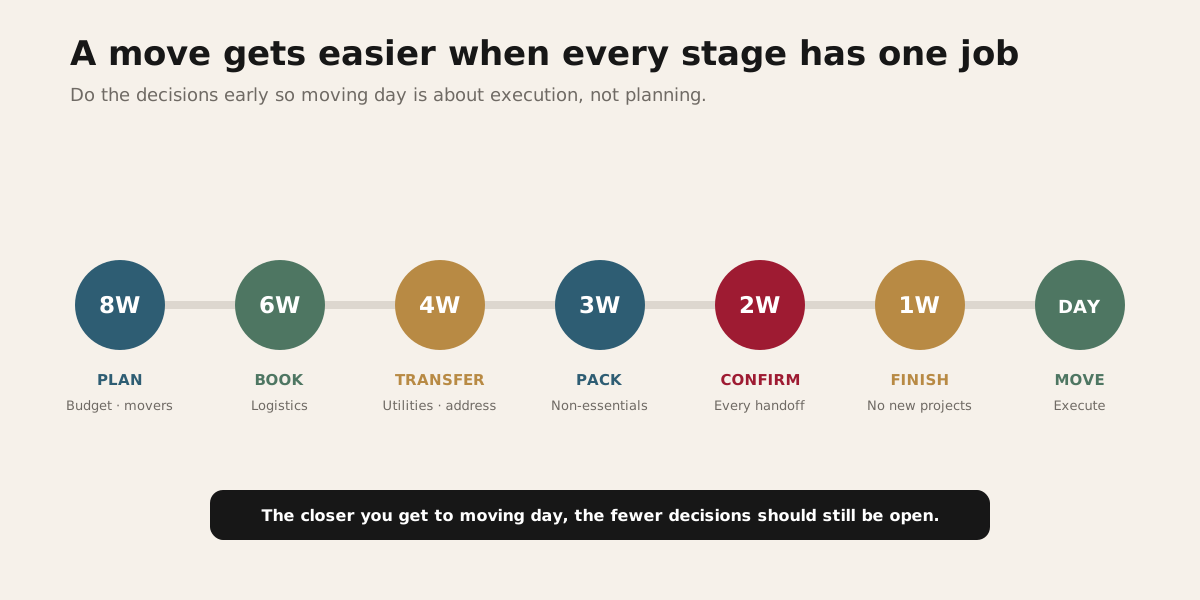
Eight weeks before the move, you should be making decisions.
Four weeks before, you should be transferring services and packing non-essentials.
One week before, your focus should shift to confirmation and essentials.
On moving day, the goal is execution — not last-minute planning.
This timeline breaks the move into manageable stages so that the important work is handled before the truck arrives.
8 Weeks Before Moving: Build the Plan
At the two-month mark, the move is far enough away that you still have choices.
This is the right time to make the decisions that become expensive or difficult if left until the last minute.
Start with:
- Confirming the expected moving date
- Researching moving companies or truck rentals
- Getting written quotes
- Reviewing what movers will and will not transport
- Creating a moving budget
- Starting a digital or physical moving file
- Listing major items that need special handling
- Identifying storage needs
- Beginning to declutter
Your moving file can hold:
- Quotes
- Receipts
- Contracts
- Inventory
- Utility information
- Real estate documents
- Insurance information
- Contact numbers
- Moving-day schedule
The goal is to create one place where the move lives.
Book Movers Early
Good movers can book up, especially around:
- Month-end
- Weekends
- Summer
- Long weekends
- Peak possession periods
When comparing companies, ask about:
- Hourly versus fixed pricing
- Minimum charges
- Travel time
- Insurance / valuation coverage
- Stairs
- Heavy items
- Packing services
- Furniture disassembly
- Storage
- Cancellation terms
If you are moving yourself, reserve the truck early and confirm:
- Truck size
- Kilometre allowance
- Fuel requirements
- Pick-up and return times
- Moving blankets
- Dollies
- Straps
- Parking access
Declutter Before You Pack
Do not pay to move things you do not want.
Work through:
- Storage rooms
- Basement
- Garage
- Closets
- Kitchen
- Children's items
- Seasonal items
- Furniture
Use four categories:
Keep
Sell
Donate
Discard / recycle
Decluttering early creates less work at every later stage.

6 Weeks Before Moving: Lock In the Logistics
By six weeks out, the major service providers should be selected.
Confirm:
- Moving company or truck rental
- Storage if required
- Special-item movers
- Pet arrangements
- Childcare plans if needed
- Travel arrangements for a long-distance move
If you are moving to another city, this is also a good time to organize transfers for:
- School records
- Medical records
- Veterinary records
- Prescriptions
- Professional services
You do not need to complete every change yet.
You need to know what will need to change.
Start Packing the Least-Used Areas
The best rooms to pack first are the ones you can live without for several weeks.
Examples:
- Basement storage
- Attic
- Seasonal decor
- Guest room
- Books
- Collectibles
- Extra linens
- Formal dining items
- Garage overflow
Avoid packing daily-use essentials too early.
A good moving plan gradually reduces the home without making it impossible to live in.
Create a Simple Box-Labeling System
A box label should answer three questions immediately:
Where does it go?
What is inside?
How urgent is it?
A practical label might read:
KITCHEN — POTS / PANS — OPEN FIRST WEEK
or:
PRIMARY BEDROOM — WINTER CLOTHES — LOW PRIORITY
Numbering boxes can also help.
Keep a simple inventory such as:
- Box 1 — Kitchen — coffee / kettle
- Box 2 — Office — printer / cables
- Box 3 — Bedroom — linens
That becomes especially useful if something goes missing.
4 Weeks Before Moving: Transfer Your Life
One month out is when the move shifts from preparation to administration.
Start arranging:
- Electricity
- Natural gas where applicable
- Internet
- Phone
- Home insurance
- Mail forwarding
- Regular deliveries
- Subscription services
Also update or prepare to update your address with organizations such as:
- Banks
- Credit cards
- Employer
- Insurance
- Government accounts
- Driver / vehicle records
- Professional associations
- Schools
- Doctors
- Online retailers
Do not cancel essential services at the old home too early.
Your possession dates and moving schedule should guide the cutover.
Confirm Home Insurance
If you are buying the new home, your lender and lawyer may require proof of home insurance before closing.
Do not leave this until moving day.
Confirm:
- Policy start date
- New address
- Coverage
- Moving-related coverage
- Whether the old residence still needs temporary coverage
If the new property will be vacant for any period, tell the insurer.
Vacancy can affect coverage.
3 Weeks Before Moving: Pack in Earnest
At three weeks out, most non-essential belongings can be packed.
Focus on one room at a time.
A good order is:
- Storage spaces
- Decor / books
- Guest spaces
- Off-season clothing
- Secondary bathrooms
- Office overflow
- Kitchen extras
- Main living areas
- Daily-use items last
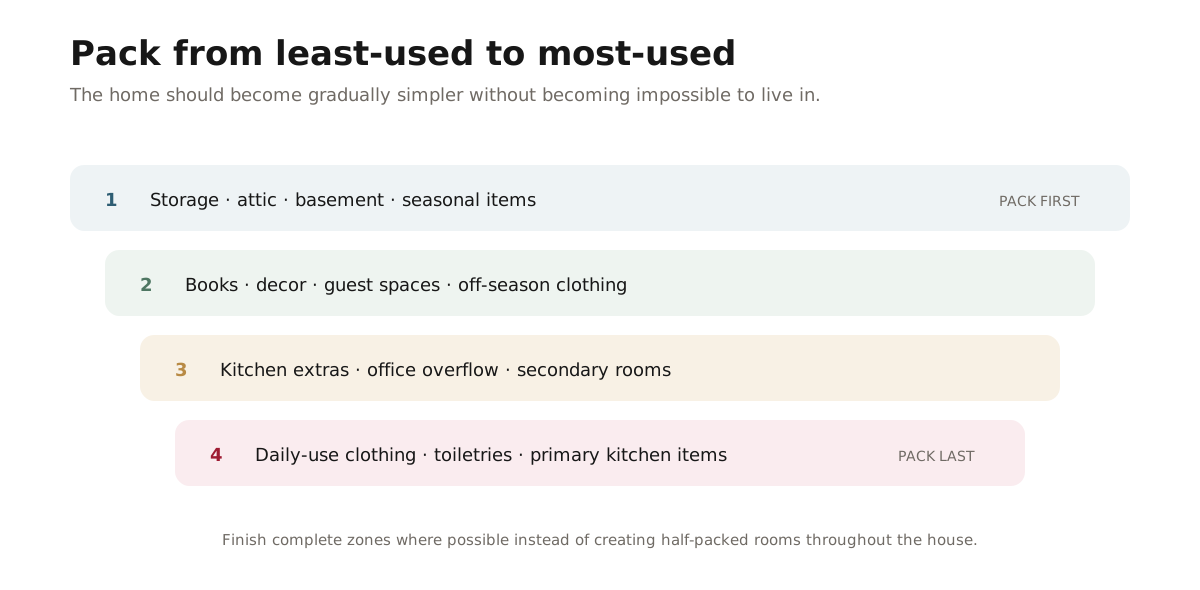
Avoid having partially packed boxes scattered through every room.
Finish zones completely where possible.
Use Up What Should Not Move
Start reducing:
- Frozen food
- Open pantry items
- Cleaning chemicals
- Fuel
- Propane
- Paint
- Aerosols
- Other materials movers may restrict
Ask your mover what they will not transport.
Do not assume every household product can go into the truck.
2 Weeks Before Moving: Protect the Transition
Two weeks out is when you should confirm that the move works as a handoff between two homes.
Confirm:
- Moving company arrival window
- Elevator booking if applicable
- Parking arrangements
- Loading area
- Condo moving rules
- Key / possession process
- Cleaning plan
- Utility start and stop dates
- Pet / child plans
- Travel schedule
If you are moving into or out of a condo, ask whether the corporation requires:
- Elevator reservation
- Move-in deposit
- Specific hours
- Loading-area access
- Protective coverings
- Proof of mover insurance
Those rules can derail a move if discovered on the morning of possession.
Pack a Moving-Day Essentials Kit
Do not put everything into the truck.
Each household member should have access to essentials for the first night or two.
Include:
- Medication
- Toiletries
- Change of clothes
- Chargers
- Laptop
- Important documents
- Snacks
- Water
- Basic cleaning supplies
- Toilet paper
- Paper towel
- Basic tools
- Pet supplies
- Children's essentials
Think of it like packing for a short trip.
If the truck were delayed by a day, what would you need?
1 Week Before Moving: Stop Creating New Tasks
The final week should be about completion.
Avoid starting projects that could have been handled earlier.
Finish:
- Remaining packing
- Fridge / freezer planning
- Cleaning
- Furniture disassembly
- Labeling
- Address updates
- Utility confirmation
- Final mover confirmation
Prepare a folder or bag that never goes on the moving truck.
Keep with you:
- Identification
- Real estate documents
- Lawyer information
- Insurance
- Keys
- Medication
- Valuables
- Electronics
- Important financial documents
Protect Floors, Walls and Doorways
Moving damage can happen quickly.
Before heavy furniture starts moving:
- Protect hardwood
- Cover high-traffic carpet
- Pad door frames
- Protect railings
- Clear stairways
- Remove fragile light fixtures or decor from traffic paths
This matters at both the old and new property.
The Day Before Moving
Your goal is to wake up on moving day with very few decisions left.
Complete:
- Final packing
- Box count
- Essentials kit
- Cooler / food plan
- Cash / payment arrangements if required
- Mover confirmation
- Truck route
- Parking
- Cleaning supplies
- Keys / remotes
Charge your phone.
Keep basic tools accessible.
Go to bed knowing exactly what happens first the next morning.
Moving Day: Load Strategically
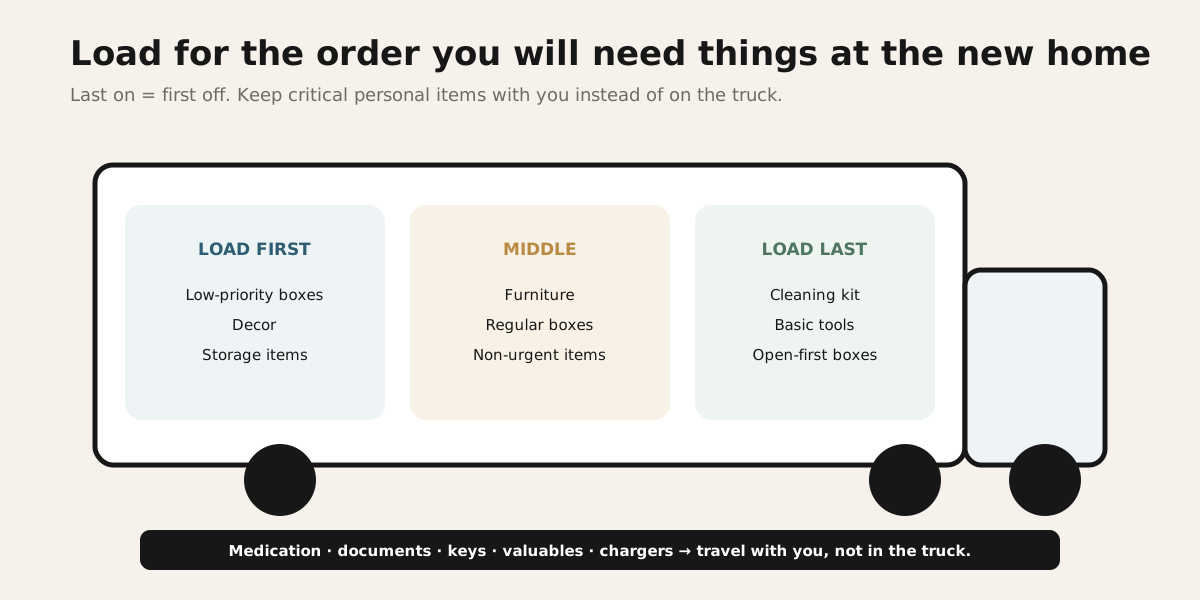
The truck should not be loaded randomly.
Heavy, stable items should be secured carefully.
Fragile items need appropriate protection.
Items needed immediately at the new home should either:
- Travel with you, or
- Be loaded so they can be accessed first

A useful loading concept is:
Last on = first off
That can apply to:
- Cleaning kit
- Basic tools
- Bed hardware
- Overnight box
- Coffee maker
- Toilet paper
- Pet supplies
Photograph Valuable or Fragile Items
Before loading:
- Photograph valuable furniture
- Photograph electronics
- Photograph fragile pieces
- Record visible existing damage
For self-moves, photograph how the truck was loaded.
For professional moves, keep the inventory and mover paperwork.
Documentation is useful if something is damaged or missing.
Do a Final Sweep of the Old Home
Before leaving:
Check every:
- Closet
- Drawer
- Cabinet
- Storage room
- Garage
- Shed
- Attic access
- Basement
- Appliance
Then check:
- Windows
- Exterior doors
- Thermostat
- Lights
- Water where applicable
- Keys / remotes
- Garbage
Do not trust memory.
Walk the home room by room.
When You Arrive at the New Home
Before unloading everything, do a quick walkthrough.
Confirm:
- You have access
- Major damage has not occurred
- Utilities are functioning
- Rooms are ready for furniture
- Pathways are safe
- Movers know where large pieces belong
Put simple room labels on doors if needed.
That keeps the move from turning into twenty questions while heavy furniture is being carried.
Unload by Priority
Do not focus on fully decorating the house on day one.
Prioritize function.
First
- Beds
- Bathroom basics
- Food / water
- Medication
- Pet needs
- Children's needs
Next
- Kitchen essentials
- Work equipment
- Clothing
- Basic living-room furniture
Later
- Decor
- Books
- Seasonal boxes
- Non-essential storage
A home can feel settled before every box is empty.
Your First 24 Hours
Once the movers leave:
- Check locks
- Locate the main water shut-off
- Locate electrical panel
- Review furnace / thermostat
- Confirm smoke / CO alarms
- Inspect the property for moving damage
- Photograph any concerns
- Confirm garage remotes
- Update access codes where appropriate
If you purchased the home, start a basic property file for:
- Inspection report
- Appliance manuals
- Warranty information
- Renovation records
- Utility information
- Contractor receipts
That file becomes more valuable the longer you own the property.
Your First Week
During the first week:
- Finish important address changes
- Unpack essential rooms
- Break down boxes
- Confirm waste / recycling schedule
- Introduce yourself to immediate neighbours if appropriate
- Review home-maintenance needs
- Keep receipts and moving documents organized
If the move was connected to work, business or post-secondary study, keep your receipts.
Certain eligible Canadian moves may qualify for moving-expense deductions when the applicable CRA distance and purpose tests are met.
Tax eligibility is situation-specific, so confirm the current CRA rules rather than assuming every home move is deductible.
Common Moving Mistakes
Booking movers too late
You lose choice and may pay more during peak periods.
Packing everything without decluttering
You spend money transporting things you still discard later.
Failing to label boxes clearly
The unloading process becomes slower and more chaotic.
Packing documents into the truck
Important closing, identification or medication items should stay with you.
Forgetting condo move rules
Elevator and booking requirements can block the move.
Cancelling utilities too soon
Make sure service dates line up with access and possession.
Leaving every box until the final week
Packing fatigue leads to poor labeling and damaged items.
A Simple 8-Week Moving Timeline
8 weeks
Plan, budget, research movers and declutter.
6 weeks
Book movers, arrange special logistics and begin packing storage areas.
4 weeks
Transfer services, arrange insurance and prepare address changes.
3 weeks
Pack most non-essential items.
2 weeks
Confirm the entire move and build the essentials kit.
1 week
Finish packing, clean and reconfirm every service.
Moving day
Protect the property, load strategically, final-sweep the old home and prioritize function at the new home.
First week
Finish administrative changes and turn the new property into a working home.
Frequently Asked Questions
When should I start planning a move?
For a typical household move, eight weeks is a useful starting point. Larger homes, long-distance moves and moves requiring storage may need more time.
When should I book movers?
As early as practical once the moving date is reasonably firm, especially if the move falls near month-end, a weekend or peak moving season.
What should I pack first?
Start with low-use areas such as storage rooms, seasonal items, books, decor, guest spaces and off-season clothing.
What should I keep with me on moving day?
Keep identification, medication, keys, real estate / legal documents, electronics, valuables, chargers and first-night essentials with you rather than inside the moving truck.
Should I change my address before moving?
Many address and service changes can be arranged in advance with an effective date tied to the move. Mail forwarding can also help catch items from senders you forgot to update.
The Bottom Line
A smooth move is mostly decided before moving day.
The earlier weeks are for decisions.
The middle weeks are for packing and administration.
The final week is for confirmation.
Moving day is for execution.
When those stages stay separate, the move becomes far easier to manage.
Start early, reduce what you own before boxing it, keep your essentials with you, and make sure the new home can function before you worry about fully unpacking it.
Sources & Methodology
This guide stages a move across an eight-week planning window covering mover booking, decluttering, address changes, utility coordination and moving-day preparation. Moving-company requirements, condominium moving rules, insurance requirements and tax eligibility vary by household and transaction.
This article is for general informational purposes. Moving-company requirements, condominium moving rules, insurance requirements and tax eligibility vary by household and transaction.